Exploring Interior Walls: A Comprehensive Guide to Types, Finishes, Insulation, and Decor
Delve into the realm of interior walls as we uncover the various types, finishes, insulation options, and decorative ideas that can transform any living space. Get ready to discover the key elements that make up the foundation of interior design.
Types of Interior Walls
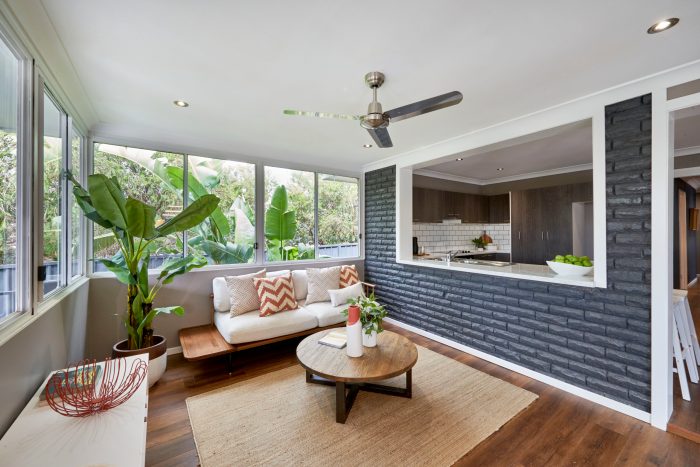
Interior walls play a crucial role in defining the layout and aesthetics of a space. There are various types of interior walls commonly used in construction, each with its own features and benefits. Let's explore some of the most popular options below.
Drywall
Drywall, also known as gypsum board or plasterboard, is a popular choice for interior walls due to its affordability, ease of installation, and versatility. It provides a smooth surface for painting or wallpapering and can be easily repaired if damaged.
Brick
Brick walls are durable and provide excellent thermal mass, helping to regulate indoor temperatures. They add a rustic and timeless charm to any space and can be left exposed or covered with plaster for a different look.
Wood Paneling
Wood paneling adds warmth and texture to interior walls, creating a cozy and inviting atmosphere. It comes in various finishes and styles, from traditional to modern, making it suitable for a wide range of design preferences.
Concrete
Concrete walls are known for their strength and durability, making them ideal for both interior and exterior applications. They can be left bare for an industrial look or painted and textured to suit different design styles.
Glass
Glass walls are a sleek and modern option that allows for natural light to flow through the space. They are perfect for creating a sense of openness and can be frosted or tinted for privacy.
Stone
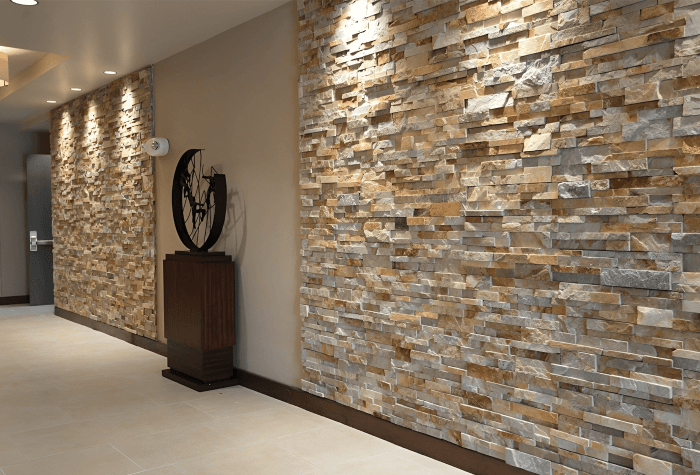
Stone walls add a touch of elegance and luxury to interior spaces. Whether using natural stone or veneer, they create a striking focal point and can be used to complement various design themes.
Interior Wall Finishes
Interior wall finishes play a crucial role in home decor, as they not only enhance the aesthetic appeal of a space but also contribute to its overall ambiance and mood.
Popular Interior Wall Finish Options
When it comes to interior wall finishes, some of the most popular options include paint, wallpaper, and paneling. Each option offers unique benefits and can create different looks for your space.
- Paint:Painting interior walls is a versatile and cost-effective way to add color and personality to a room. It allows for endless customization options and can easily be changed or updated.
- Wallpaper:Wallpaper adds texture, pattern, and visual interest to a space. It can create a focal point or add depth to a room, but it may require more maintenance compared to paint.
- Paneling:Paneling, whether wood, PVC, or MDF, can add warmth and texture to a room. It is durable and can help with insulation, but it may be more challenging to install.
Tips for Selecting the Right Wall Finish
When choosing an interior wall finish, consider the function of the room and the desired aesthetic. Here are some tips to help you make the right decision:
- For high-traffic areas like hallways or kitchens, opt for a durable finish that is easy to clean, such as semi-gloss paint or washable wallpaper.
- Consider the natural light in the room when selecting a finish. Light colors can make a space feel larger and brighter, while dark colors can add coziness and drama.
- Think about the style of your home and the overall design scheme. Choose a finish that complements the existing decor and enhances the desired look and feel of the space.
Interior Wall Insulation
Insulating interior walls is crucial for maintaining energy efficiency in a building. Proper insulation helps in reducing heat loss during winters and heat gain during summers, leading to lower energy consumption for heating and cooling.
Types of Insulation Materials
- Fiberglass Insulation: Made of tiny glass fibers, it is cost-effective and easy to install. It provides good thermal resistance.
- Spray Foam Insulation: This expands to fill gaps and cracks, offering airtight insulation. It has high R-values and acts as a good moisture barrier.
- Cellulose Insulation: Made from recycled paper, it is eco-friendly and effective in reducing sound transmission. It can be blown or sprayed into walls.
- Rigid Foam Insulation: Offers high thermal resistance and can be used in small spaces. It is moisture-resistant and durable.
Choosing the Right Insulation
When selecting insulation for interior walls, consider the climate conditions of the region. For colder climates, materials with higher R-values like fiberglass or spray foam are suitable. In warmer climates, materials with good moisture resistance like rigid foam can be beneficial.
It's essential to consult with a professional to determine the most appropriate insulation for your specific needs.
Interior Wall Decor
When it comes to interior design, decorating the walls plays a crucial role in enhancing the overall look and feel of a space. Whether you prefer a minimalist aesthetic or a more eclectic style, there are countless ways to creatively decorate interior walls to reflect your personal taste and elevate the design of a room.
Using Artwork
Artwork is a fantastic way to add personality and visual interest to interior walls. Whether you opt for large statement pieces or a gallery wall of smaller prints, art can set the tone for the entire room. Consider mixing different sizes, styles, and frames to create a dynamic and visually appealing display.
Incorporating Mirrors
Mirrors are not only functional but also serve as decorative elements on interior walls. They can help create the illusion of more space, reflect natural light, and add a touch of elegance to a room. Place mirrors strategically to maximize their impact, such as across from a window or near a light source.
Adding Shelving
Shelving is a versatile decor element that can be both practical and stylish on interior walls. Use shelves to display books, plants, photos, or decorative objects to add texture and visual interest. Mix and match different shapes and sizes of shelves to create a unique and personalized look.
Accent Walls for Visual Interest
Accent walls are a popular design trend that can instantly transform a room. Whether painted in a bold color, adorned with wallpaper, or clad in a different material, accent walls draw attention and create depth in a space. Consider choosing a focal wall to highlight architectural features or to showcase a favorite piece of furniture.
End of Discussion
In conclusion, interior walls are not just structural components but canvases waiting to be adorned with creativity. By understanding the different aspects discussed, you can elevate the ambiance and functionality of any room. Dive into the world of interior walls and let your imagination run wild!
Clarifying Questions
What are the benefits of using wallpaper on interior walls?
Wallpaper can add texture, patterns, and visual interest to a room, transforming the space without the need for extensive renovations.
How can I choose the right interior wall finish for a high-traffic area?
Opt for durable options like washable paint or vinyl wallpaper that can withstand frequent cleaning and maintain their appearance.
Why is insulation important for interior walls?
Insulation helps regulate indoor temperature, reduce energy costs, and create a more comfortable living environment by minimizing heat loss.