Exploring the Beauty of Mid Century Interior Design
Step into the world of mid century interior design, where timeless elegance meets modern sophistication. Discover the rich history, key elements, and lasting influence of this iconic design style that continues to captivate homeowners and designers alike.
Uncover the secrets behind the iconic furniture pieces, color palettes, and layout principles that define mid-century decor, as we delve deeper into the heart of this captivating design era.
Overview of Mid Century Interior Design
Mid-century interior design emerged in the mid-20th century, roughly from the 1930s to the 1960s, reflecting the post-war optimism and innovative spirit of that era.
Key Characteristics of Mid-Century Interior Design
- Clean lines and organic shapes: Mid-century design emphasizes simplicity and functionality, with a focus on geometric forms and natural materials.
- Open floor plans: Spaces are often open and interconnected, allowing for a seamless flow between rooms.
- Minimalist aesthetic: Clutter is minimized, and the design is sleek and uncluttered, creating a sense of spaciousness.
- Use of iconic furniture: Mid-century design is known for iconic pieces such as the Eames Lounge Chair, Barcelona chair, and Noguchi table, which have become timeless classics.
- Integration of indoor and outdoor spaces: Large windows, sliding glass doors, and patio areas blur the boundaries between indoor and outdoor living.
Influence of Mid-Century Interior Design on Modern Aesthetics
Mid-century design continues to influence modern aesthetics in various ways, from furniture design to architecture and interior decor. Its emphasis on clean lines, minimalist aesthetic, and functional design has made it a timeless and versatile style that resonates with contemporary tastes.
Many designers today draw inspiration from mid-century design principles, incorporating elements of this style into their work to create spaces that are both classic and modern.
Furniture and Decor
Mid-century interior design is characterized by iconic furniture pieces that have stood the test of time. These pieces are known for their clean lines, organic shapes, and functionality.
Iconic Furniture Pieces
- Eames Lounge Chair and Ottoman: Designed by Charles and Ray Eames, this chair is a symbol of mid-century modern design with its sleek leather upholstery and molded plywood shell.
- Noguchi Coffee Table: Isamu Noguchi's sculptural coffee table features a glass top resting on two curved wood pieces, adding an artistic touch to any space.
- Saarinen Tulip Table: Designed by Eero Saarinen, this table features a single pedestal base and a circular top, bringing a sense of elegance to dining areas.
Common Materials Used
Mid-century furniture often incorporates materials such as wood, metal, and leather. Teak, walnut, and rosewood are commonly used for their warm tones and durability. Metal accents in brass or chrome add a touch of sophistication, while leather upholstery provides comfort and style.
Incorporating Mid-Century Decor
To incorporate mid-century decor into a contemporary space, focus on mixing vintage pieces with modern elements. Choose furniture with clean lines and organic shapes, and opt for a color palette inspired by the era, such as mustard yellow, avocado green, and burnt orange.
Balance the vintage pieces with contemporary accessories and art to create a harmonious blend of past and present.
Color Palette and Patterns
When it comes to mid-century interior design, the color palette and patterns play a crucial role in capturing the essence of the era. The right combination of colors and patterns can create a nostalgic yet modern look that is both stylish and timeless.
Popular Color Palettes
In mid-century interior design, you will often find a mix of bold, vibrant colors paired with more muted tones. Some popular color palettes include:
- Teal, mustard yellow, and olive green
- Orange, brown, and cream
- Grey, white, and pops of bright primary colors
Typical Patterns and Prints
Mid-century decor is known for its use of geometric shapes, abstract patterns, and nature-inspired prints. Common patterns found in mid-century design include:
- Atomic motifs
- Polka dots
- Stripes
- Abstract florals
Tips for Selecting Colors and Patterns
When designing a mid-century inspired room, consider the following tips for selecting colors and patterns:
- Start with a neutral base and add pops of color with accessories or accent walls.
- Mix and match different patterns, but make sure they complement each other.
- Experiment with bold colors, but balance them out with softer tones to avoid overwhelming the space.
- Don't be afraid to incorporate retro-inspired patterns to add an authentic mid-century vibe to the room.
Layout and Space Planning
When it comes to mid-century interior design, layout and space planning play a crucial role in achieving the iconic look of this era. The design principles of mid-century style emphasize functionality, simplicity, and the seamless integration of indoor and outdoor spaces.
Principles of Space Planning in Mid-Century Design
- Focus on functionality: Mid-century design prioritizes practicality and efficient use of space. Furniture and decor should serve a purpose while maintaining a clean and uncluttered look.
- Embrace open floor plans: Mid-century interiors often feature open layouts that allow for easy flow between different areas of the home. This design choice creates a sense of spaciousness and airiness.
- Consider traffic flow: When planning the layout of a mid-century styled room, it's essential to ensure that there is enough space for movement and that furniture placement does not disrupt the natural flow of the space.
Open Floor Plans and Furniture Placement in Mid-Century Interiors
- Position furniture strategically: In mid-century design, furniture placement is key to creating a balanced and harmonious space. Consider the scale of the furniture pieces and how they interact with each other to maintain a cohesive look.
- Utilize multifunctional pieces: Opt for furniture that serves more than one purpose, such as a coffee table with built-in storage or a sofa that can be converted into a bed. This approach maximizes space without compromising style.
- Leave negative space: Embrace the concept of negative space in mid-century interiors by allowing areas of the room to remain empty. This technique enhances the visual appeal of the space and prevents it from feeling overcrowded.
Ideas on Optimizing Space in a Mid-Century Styled Room
- Use light colors: Opt for a light color palette in a mid-century styled room to create a sense of openness and brightness. Pastel hues, whites, and light neutrals work well to visually expand the space.
- Incorporate natural materials: Bring in elements like wood, leather, and stone to add warmth and texture to the room. These natural materials enhance the mid-century aesthetic while connecting the indoors with the outdoors.
- Choose sleek and streamlined furniture: Select furniture pieces with clean lines and organic shapes to maintain the minimalist look of mid-century design. Avoid bulky or ornate furniture that can overwhelm the space.
Lighting and Fixtures
When it comes to mid-century interior design, lighting plays a crucial role in creating the perfect ambiance. Iconic light fixtures from the mid-century era are not only functional but also serve as statement pieces that enhance the overall aesthetic of the space.
Here are some tips on achieving proper lighting in a mid-century inspired space.
Complementing Designs
In order to complement mid-century interiors, opt for lighting designs that feature clean lines, geometric shapes, and organic forms. Look for fixtures made from materials such as brass, glass, and wood to add warmth and sophistication to the space.
Iconic Fixtures
The Sputnik chandelier
Known for its futuristic design with multiple arms extending outward, the Sputnik chandelier is a classic mid-century lighting fixture that adds a touch of drama to any room.
The Arco floor lamp
With its marble base and long, arched arm, the Arco floor lamp is a timeless piece that provides both task and ambient lighting in a sleek and stylish manner.
Proper Lighting Tips
- Layer your lighting: Combine overhead lighting, task lighting, and accent lighting to create a well-balanced and inviting atmosphere.
- Use dimmers: Install dimmer switches to adjust the brightness of the lights according to the time of day and mood you want to set.
- Showcase statement pieces: Highlight key areas or furniture with strategically placed lighting fixtures to draw attention and create visual interest.
Final Review
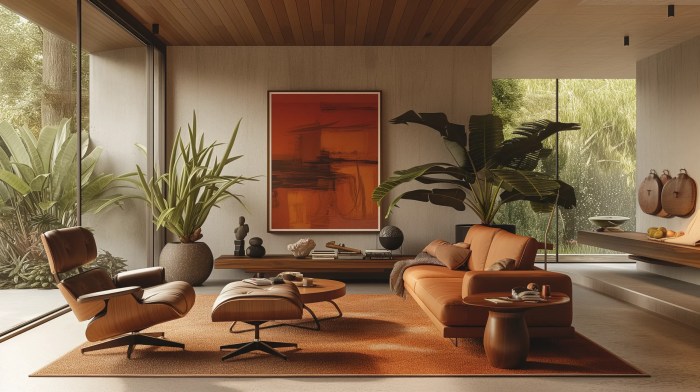
As we wrap up our journey through the enchanting world of mid century interior design, we reflect on the enduring appeal and versatility of this style. Whether you're a design enthusiast or simply looking to infuse a touch of mid-century charm into your space, the timeless allure of this design aesthetic is sure to inspire and delight.
Answers to Common Questions
What are some key characteristics of mid-century interior design?
Mid-century interior design is known for its clean lines, organic shapes, and minimalistic approach that emphasizes functionality without sacrificing style.
How can I incorporate mid-century decor into a contemporary space?
To blend mid-century decor into a contemporary space, consider mixing vintage furniture pieces with modern elements, utilizing a neutral color palette, and incorporating iconic mid-century light fixtures.
What are some popular color palettes used in mid-century interior design?
Popular color palettes in mid-century design include warm neutrals, vibrant hues like mustard yellow and avocado green, and earthy tones such as burnt orange and teal.
What are the principles of space planning in mid-century design?
Space planning in mid-century design focuses on creating open, airy layouts with a seamless flow between indoor and outdoor spaces, while emphasizing functionality and comfort.
How can I achieve proper lighting in a mid-century inspired space?
To achieve proper lighting in a mid-century inspired space, consider incorporating iconic mid-century light fixtures like Sputnik chandeliers, Nelson bubble lamps, and Arco floor lamps to enhance the overall aesthetic.