Revamp Your Space: Painting House Interior Guide
If you're looking to breathe new life into your living spaces, painting the house interior is a fantastic way to start. From choosing the perfect color palette to mastering painting techniques, this guide will walk you through everything you need to know for a successful project.
Get ready to transform your home with a fresh coat of paint!
Planning the Interior Painting Project
When planning a house interior painting project, there are several essential steps to consider to ensure a successful outcome. Choosing the right colors for different rooms is crucial in creating the desired atmosphere and aesthetic appeal. Additionally, calculating the amount of paint needed for the project is important to avoid running out of supplies midway through the job.
List of Essential Steps:
- Assess the current condition of the walls and surfaces to determine if any repairs or preparation work is needed.
- Select the appropriate type of paint for each room based on factors such as durability, finish, and ease of cleaning.
- Create a detailed budget outlining the costs of paint, supplies, and any professional help needed.
- Choose colors that complement the furniture, decor, and overall style of each room while considering natural lighting.
- Prepare the room by moving furniture, protecting floors and surfaces, and applying painter's tape to edges and trim.
Importance of Choosing the Right Colors:
Choosing the right colors for different rooms can significantly impact the overall look and feel of your home. Warm colors like reds, yellows, and oranges can create a cozy and inviting atmosphere, while cool colors like blues and greens can promote relaxation and calmness.
Neutral tones such as whites, grays, and beiges are versatile and can complement a variety of decor styles.
Calculating the Amount of Paint Needed:
Before starting the project, it is essential to calculate the amount of paint needed to avoid shortages or excess supplies. To estimate the paint quantity, measure the walls' height and multiply it by the total perimeter of the room. Most paint cans provide coverage information in square feet per gallon, allowing you to determine the number of gallons required for the project.
Preparing the Interior Surfaces
Before diving into painting your interior walls, it is crucial to properly prepare the surfaces to ensure a smooth and long-lasting finish.Cleaning the Walls:It is essential to start by cleaning the walls to remove any dirt, dust, or grease. Use a mild detergent solution and a sponge to clean the walls thoroughly.
This step will help the paint adhere better to the surface.Sanding:After cleaning, it is recommended to sand the walls to create a smooth surface for painting. Use fine-grit sandpaper to gently sand the walls and remove any imperfections or rough spots.
Be sure to wipe down the walls after sanding to remove any dust.Priming:Applying a coat of primer is important, especially if you are painting over a dark or uneven surface. Primer helps the paint adhere better and provides a uniform finish.
Be sure to choose the right primer based on the type of walls you have.Patch and Repair:Inspect the walls for any holes, cracks, or other damages. Use spackling compound to fill in any holes and sand it down once dry.
For larger damages, consider using a patching compound to ensure a smooth and even surface before painting.Protecting Floors and Furniture:Before you start painting, cover the floors with drop cloths or plastic sheets to protect them from paint splatters. Remove or cover furniture and fixtures in the room to prevent any accidental spills or drips.
Additionally, use painter's tape to mask off areas you do not want to paint.By taking the time to properly prepare the interior surfaces before painting, you can ensure a professional-looking finish that will last for years to come.
Selecting the Right Tools and Materials
When it comes to painting the interior of a house, having the right tools and materials is essential for achieving a professional-looking finish. Let's explore the key elements to consider.
Essential Tools for Painting a House Interior
- Paintbrushes: Choose high-quality brushes in various sizes for different areas.
- Rollers: Opt for rollers with different nap lengths for smooth and textured surfaces.
- Painter's tape: Use painter's tape to protect trim, ceilings, and other areas from accidental paint splatters.
- Drop cloths: Cover floors and furniture with drop cloths to prevent paint spills and stains.
- Sandpaper: Have sandpaper on hand to smooth out any rough surfaces before painting.
- Paint trays and liners: Use paint trays to hold paint and liners for easy cleanup.
Types of Paint and Finishes
- Latex Paint: Water-based paint that dries quickly, emits fewer odors, and is easy to clean up with water.
- Oil-Based Paint: Known for its durability and smooth finish, but requires mineral spirits for cleanup.
- Finishes: Choose from options like flat (matte), eggshell, satin, semi-gloss, and high-gloss for different aesthetics and durability levels.
Importance of High-Quality Brushes and Rollers
Using high-quality brushes and rollers can make a significant difference in the final outcome of your painting project. Cheap brushes and rollers may leave streaks, shed bristles, or not hold enough paint, resulting in an uneven finish. Invest in good-quality tools for a smoother application and a professional-looking result.
Painting Techniques and Tips
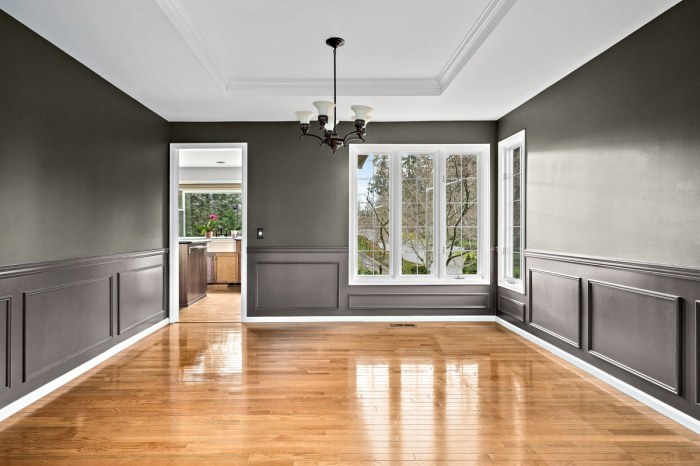
When it comes to painting the interior of your house, mastering proper techniques can make a significant difference in the final outcome. From cutting in edges and corners to applying paint with rollers and brushes, here are some tips to help you achieve a professional-looking finish.
Cutting in Edges and Corners
- Use a high-quality angled brush to carefully cut in along edges and corners before using a roller.
- Start by loading the brush with paint and then gently draw a straight line along the edge, keeping a steady hand.
- Take your time to ensure precision and avoid getting paint on adjacent surfaces.
- For corners, use the tip of the brush to create a clean line where two walls meet.
Applying Paint with Rollers and Brushes
- When using a roller, start by applying paint in a "W" shape and then fill it in with vertical strokes for even coverage.
- Avoid pressing too hard on the roller to prevent excess paint from splattering.
- For brushes, use long, smooth strokes to apply paint evenly and minimize brush marks.
- Work in small sections, blending the wet edges to avoid visible lines or streaks.
Achieving a Professional-Looking Finish
- Avoid drips and runs by not overloading the brush or roller with paint.
- Use a damp cloth to quickly wipe off any drips or spills before they dry.
- Maintain wet edges by working in manageable sections and overlapping each stroke slightly.
- Allow each coat to dry completely before applying additional layers for a smooth and flawless finish.
Dealing with Common Issues
When painting the interior of a house, it is common to encounter issues such as streaks, drips, uneven coverage, poor adhesion, or color discrepancies. These problems can be frustrating, but they can be easily fixed with the right solutions and techniques.
Here are some tips to help you troubleshoot and resolve common painting issues effectively.
Streaks and Drips
Streaks and drips can occur if the paint is applied unevenly or too thickly. To fix streaks, lightly sand the area and apply a thin, even coat of paint. For drips, gently sand the drips away and repaint the area with a smooth, even stroke to blend it in seamlessly.
Uneven Coverage
If you notice uneven coverage on your walls, it may be due to improper application techniques. To fix this issue, make sure to apply the paint in smooth, overlapping strokes and use a roller or brush that is suitable for the surface.
You can also try using a primer before painting to ensure even coverage.
Poor Adhesion
Poor adhesion can occur if the surface was not properly cleaned or primed before painting. To improve adhesion, make sure to clean and prep the surface thoroughly before painting. You can also consider using a bonding primer to help the paint adhere better to the surface.
Color Discrepancies
If you notice color variations or discrepancies between different areas of the wall, it could be due to lighting conditions, paint mixing issues, or the number of coats applied. To address this problem, make sure to mix all paint cans together before starting and apply multiple thin coats to ensure consistent color throughout the room.
Cleanup and Maintenance
After completing the interior painting project, it is essential to properly clean up the area, store any leftover paint for future touch-ups, and maintain the freshly painted surfaces to ensure the longevity of the paint job.
Cleaning Up After Painting
- Remove painter's tape carefully to avoid peeling off any fresh paint.
- Clean brushes, rollers, and other painting tools with warm, soapy water for water-based paints or paint thinner for oil-based paints.
- Dispose of any leftover paint or empty paint cans according to local regulations.
- Vacuum or sweep the area to remove any paint chips, dust, or debris.
- Wipe down surfaces with a damp cloth to ensure a clean finish.
Storing Leftover Paint
- Seal the paint can tightly to prevent air from getting in and drying out the paint.
- Store the paint in a cool, dry place away from direct sunlight and extreme temperatures.
- Label the paint can with the color, room painted, and date for easy identification in the future.
- Consider transferring small amounts of leftover paint into smaller containers to minimize air exposure.
Maintaining Freshly Painted Surfaces
- Regularly dust and clean painted surfaces with a soft cloth or sponge to prevent dirt build-up.
- Avoid using harsh chemicals or abrasive cleaners that can damage the paint finish.
- Address any stains or marks promptly by spot cleaning with a mild detergent and water solution.
- Inspect the painted surfaces for any signs of wear or peeling and touch up as needed to maintain a uniform appearance.
Last Point
With these tips and tricks up your sleeve, you're now equipped to tackle your interior painting project with confidence. Say goodbye to dull walls and hello to a vibrant, freshly painted home that reflects your style and personality. Happy painting!
Query Resolution
How do I choose the right colors for different rooms?
Consider the room's purpose, lighting, and the mood you want to create. Warm tones work well in cozy spaces, while cooler tones are ideal for a calming atmosphere.
What are the essential tools needed for painting a house interior?
You'll need paintbrushes, rollers, painter's tape, drop cloths, a ladder, and a paint tray to start your project.
How do I properly store leftover paint for future touch-ups?
Make sure to seal the paint can tightly and store it in a cool, dry place away from direct sunlight to maintain its quality for touch-ups.