Crafting the Perfect Shop Interior Design: A Guide to Success
Stepping into a shop with a well-designed interior is like entering a whole new world. The colors, layout, and overall aesthetic can greatly impact your shopping experience. Let's delve into the world of shop interior design and explore why it's so essential for businesses of all sizes.
As we explore the elements, concepts, and strategies behind creating captivating shop interiors, you'll discover the art and science of transforming a space into a customer magnet.
Importance of Shop Interior Design
Shop interior design plays a crucial role in the success of a business by creating a welcoming and engaging environment for customers. It goes beyond just aesthetics, as it can influence customer behavior and purchasing decisions.
Examples of Successful Shop Interior Designs
- Apple Stores: Known for their minimalist and sleek design, Apple stores create a modern and innovative atmosphere that reflects the brand's identity. This design approach enhances the overall customer experience, leading to increased brand loyalty and sales.
- Starbucks: With cozy seating areas, warm lighting, and inviting decor, Starbucks stores are designed to encourage customers to relax and spend time in the establishment. This strategy not only boosts sales but also fosters customer loyalty and repeat business.
Impact of Interior Design on Customer Behavior
Interior design can influence customer behavior in various ways. For example, the layout of a store can guide customers through different sections, leading them to discover new products and make impulse purchases. The use of colors, lighting, and textures can create a specific mood or ambiance that resonates with the target audience, ultimately affecting their purchasing decisions.
Elements of Effective Shop Interior Design
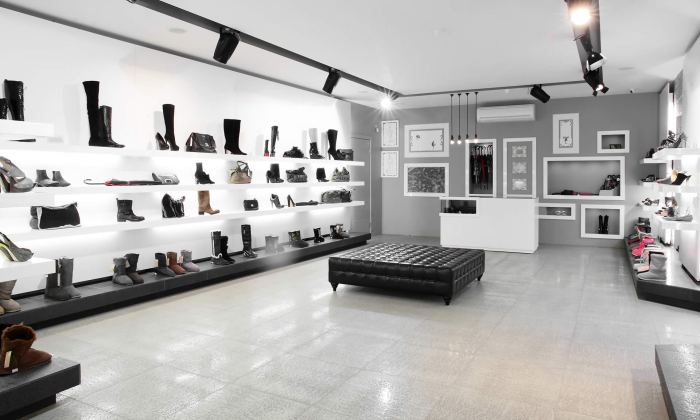
Creating an engaging shop interior design involves several key elements that work together to enhance the overall customer experience and convey the brand's identity effectively.
Lighting
Effective lighting plays a crucial role in setting the mood and highlighting key areas within a shop. Properly placed lights can draw attention to specific products, create a warm and inviting atmosphere, and enhance the overall aesthetic appeal of the space.
Color Schemes
Carefully chosen color schemes can influence customer perception, evoke emotions, and communicate the brand's personality. Harmonious color combinations can create a cohesive look and feel throughout the shop, while contrasting colors can help certain elements stand out.
Furniture Layout
The layout of furniture and fixtures in a shop not only affects traffic flow but also impacts the overall shopping experience. Strategic placement of furniture can encourage exploration, provide comfortable seating areas, and create focal points that draw customers deeper into the space.
Signage
Clear and visually appealing signage is essential for guiding customers through the shop, highlighting promotions, and reinforcing brand messaging. Well-designed signage can improve wayfinding, increase brand recognition, and enhance the overall customer experience.
Brand Identity
Incorporating brand identity into the interior design of a shop helps to reinforce brand values, establish a distinct visual identity, and create a memorable impression on customers. From logo placement to thematic elements, every design choice should align with the brand's identity and resonate with its target audience.
Creating a Cohesive Design Concept
Developing a cohesive design concept for a shop interior is crucial in reflecting the brand's image and values effectively. It helps create a unique identity for the store and fosters a strong connection with customers.
Reflecting Brand Image and Values
To develop a cohesive design concept, start by understanding the brand's core values, target audience, and overall image. This will guide the design process and ensure that the interior design aligns with the brand's identity. Incorporate elements such as color schemes, materials, and decor that reflect the brand's values and resonate with its target customers.
Balancing Aesthetics with Functionality
While aesthetics play a significant role in creating an inviting and visually appealing space, it's essential to balance them with functionality. Consider the layout of the shop, traffic flow, and the practical needs of both customers and staff. A well-designed interior should not only look good but also enhance the overall shopping experience and operational efficiency.
Tips for Creating a Visually Appealing Layout
- Start by defining different zones within the shop for specific purposes, such as display areas, checkout counters, and seating areas.
- Use lighting strategically to highlight key products and create the right ambiance.
- Incorporate signage and branding elements consistently throughout the space to reinforce brand recognition.
- Choose furniture and fixtures that not only look good but also provide comfort and convenience for customers.
- Keep the overall design simple and cohesive to avoid visual clutter and confusion.
Maximizing Space and Layout
When it comes to shop interior design, maximizing space and layout is crucial in creating an inviting and functional environment for customers. By strategically planning the layout, you can optimize the use of space and enhance the overall shopping experience.
Optimizing Traffic Flow
One effective technique for maximizing space in a shop is to optimize traffic flow. This involves arranging displays, aisles, and checkout areas in a way that guides customers through the store seamlessly. By ensuring a clear path and easy navigation, you can prevent congestion and create a more pleasant shopping experience.
Creative Use of Limited Space
When dealing with limited space, creativity is key. Consider using vertical displays, wall-mounted shelves, and modular furniture to make the most of every inch. Utilizing multi-functional pieces and incorporating flexible design elements can help you adapt the space to different needs and maximize its potential.
Last Word

As we wrap up our journey through shop interior design, remember that every detail matters. From the lighting to the layout, each element plays a crucial role in shaping the customer's perception and experience. By understanding the importance of a cohesive design concept and maximizing space effectively, businesses can truly elevate their brand and customer satisfaction.
Answers to Common Questions
Why is shop interior design important?
Shop interior design is crucial as it sets the ambiance, influences customer behavior, and can ultimately impact purchasing decisions.
What are some key elements of effective shop interior design?
Key elements include lighting, color schemes, furniture layout, and signage, all of which contribute to the overall design and customer experience.
How can I create a cohesive design concept for my shop?
To develop a cohesive design concept, reflect your brand's image and values, balancing aesthetics with functionality for a visually appealing layout.
What are some techniques for maximizing space in a shop?
Maximizing space involves strategic layout, optimizing traffic flow, and creatively using limited space effectively in shop interior design.