Elegant Townhouse Interior Design: Creating Stylish Spaces
Step into the world of townhouse interior design, where creativity meets functionality. Discover how to transform compact spaces into stylish havens that reflect your unique taste and lifestyle. From maximizing space to selecting the perfect color schemes, this guide covers all aspects of designing a townhouse interior that exudes charm and sophistication.
Whether you're looking to revamp your current townhouse or seeking inspiration for a new project, this overview will provide valuable insights and practical tips to elevate your living space.
Overview of Townhouse Interior Design
Townhouse interior design focuses on creating functional and stylish living spaces within the confines of a townhouse. The design aims to maximize space efficiency while maintaining a cohesive and aesthetically pleasing look.
Key Elements of Townhouse Interior Design
The key elements that define townhouse interior design include:
- Space Optimization: Utilizing every inch of space effectively to ensure functionality and comfort.
- Multi-functional Furniture: Incorporating furniture pieces that serve dual purposes to save space.
- Smart Storage Solutions: Implementing creative storage options to keep the space organized and clutter-free.
- Lighting Design: Using lighting strategically to enhance the ambiance and create the illusion of space.
- Color Palette: Choosing a cohesive color scheme to visually expand the space and create a harmonious environment.
Popular Townhouse Interior Design Styles
Some popular townhouse interior design styles include:
- Modern Minimalist: Clean lines, neutral colors, and minimalistic furniture for a sleek and uncluttered look.
- Industrial Chic: Exposed brick walls, raw materials, and metal accents for a trendy and urban feel.
- Coastal Cottage: Light and airy decor, pastel colors, and natural textures for a relaxed and beachy vibe.
- Scandinavian: Simple, functional furniture, natural light, and cozy textiles for a warm and inviting atmosphere.
Space Optimization in Townhouse Interior Design
Creating a functional and efficient layout in a townhouse can be challenging due to limited space. However, there are strategies that can help maximize every inch of space while still maintaining a stylish and comfortable living environment.One of the key strategies for space optimization in townhouse interior design is to focus on multi-functional furniture.
Opt for pieces that serve more than one purpose, such as a sofa with built-in storage or a dining table that can double as a workspace. This not only saves space but also reduces clutter.
Maximizing Vertical Space
Utilize the vertical space in your townhouse by installing shelves or cabinets up to the ceiling. This allows you to store items that are not frequently used without taking up valuable floor space. Additionally, consider hanging plants or artwork to draw the eye upward and create the illusion of a larger space.
Clever Storage Solutions
Invest in furniture with hidden storage compartments, such as ottomans with storage space inside or beds with built-in drawers. Utilize under-stair storage or create custom-built cabinets to make the most of every nook and cranny. Additionally, declutter regularly to ensure that you are only keeping items that are essential and functional.
Open Concept Layout
Consider an open concept layout for your townhouse to create a seamless flow between rooms and maximize the feeling of space. By removing unnecessary walls and barriers, you can create a more spacious and airy environment. Use area rugs or furniture placement to define different zones within the open space.By implementing these space optimization strategies, you can make the most of your townhouse interior design while maintaining functionality and style.
Color Schemes and Lighting in Townhouse Interior Design
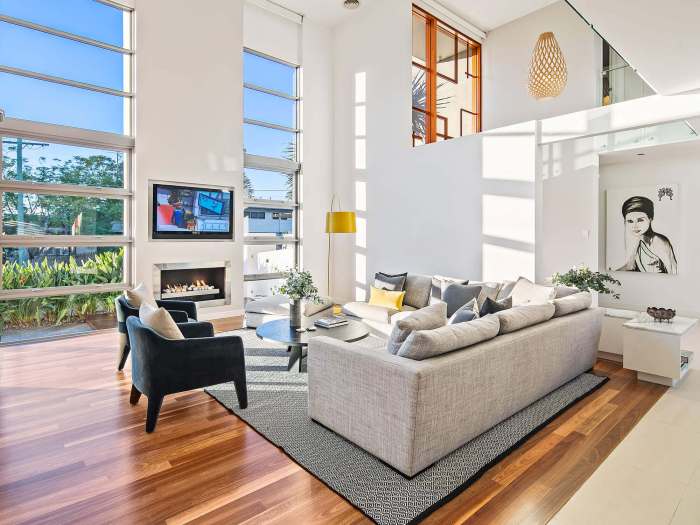
When it comes to townhouse interior design, selecting the right color schemes and optimizing lighting play a crucial role in creating a harmonious and inviting space.Color schemes can greatly impact the overall look and feel of a townhouse. Choosing the appropriate colors can help in creating a sense of space, warmth, or even coziness.
Neutral tones like beige, off-white, or light grey are popular choices for townhouses as they create a soothing and versatile backdrop for various decor styles. On the other hand, bold and vibrant colors can add personality and drama to different rooms, making them stand out.
Suitable Color Schemes for Townhouse Interiors
- Neutral tones like beige, off-white, and light grey create a versatile backdrop.
- Bold and vibrant colors can add personality and drama to different rooms.
- Monochromatic color schemes using varying shades of a single color can create a sophisticated and cohesive look.
Importance of Lighting in Enhancing Townhouse Design
Lighting is a critical element in townhouse interior design as it can significantly impact the ambiance and functionality of the space. Proper lighting can highlight architectural features, create focal points, and enhance the overall aesthetic appeal of the interiors. It is essential to incorporate a mix of ambient, task, and accent lighting to ensure a well-lit and inviting environment.
Examples of How Lighting Can Transform the Ambiance of a Townhouse
- Using pendant lights over a dining table can create a cozy and intimate atmosphere for gatherings.
- Installing dimmer switches allows for adjustable lighting levels to suit different activities and moods.
- Strategic placement of floor lamps and wall sconces can help in illuminating dark corners and creating visual interest.
Furniture Selection for Townhouse Interior Design
When selecting furniture for a townhouse interior design, it is important to consider the size and layout of the space to ensure that the furniture complements the overall design. Here are some guidelines to keep in mind:
Multi-functional Furniture Options
- Opt for furniture pieces that serve more than one purpose, such as a sofa bed or a coffee table with storage compartments. This helps maximize space in a townhouse, where every square footage counts.
- Consider furniture items that can be easily folded or collapsed when not in use, such as folding chairs or tables, to create more flexibility in the space.
- Choose furniture with built-in features like pull-out drawers, extendable tables, or convertible sofa sets to adapt to different needs and occasions.
Balancing Furniture Size and Scale
It's crucial to strike a balance between furniture size and the scale of the townhouse to prevent the space from feeling cramped or overwhelmed. Here are some tips to achieve this:
- Measure the dimensions of the rooms and doorways in your townhouse to ensure that the furniture can fit through and be accommodated in the space without obstructing movement.
- Opt for furniture pieces that are proportional to the size of the room. For example, in a small living room, choose a compact sofa and armchairs rather than oversized furniture that dominates the space.
- Use furniture with exposed legs to create a sense of openness and visual space, allowing light to flow underneath and around the pieces.
- Avoid cluttering the rooms with too many furniture items. Select a few key pieces that are functional and aesthetically pleasing to maintain a sense of balance and harmony in the design.
Decor and Accessories in Townhouse Interior Design
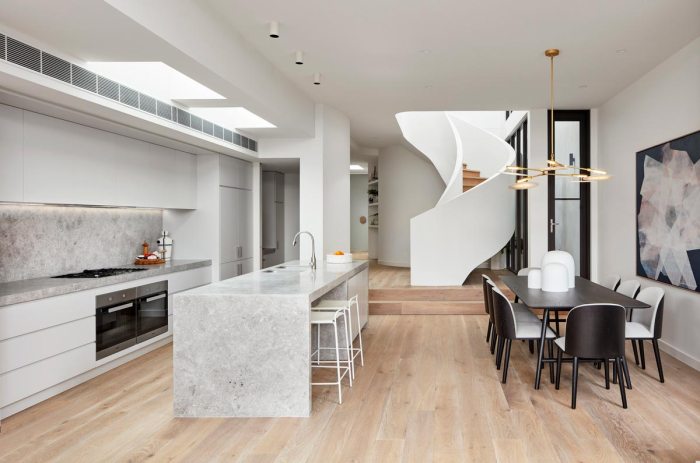
When it comes to decorating a townhouse interior, choosing the right decor elements is crucial in enhancing the overall aesthetics of the space. Decor and accessories play a significant role in adding personality and charm to townhouse interiors, making them feel cozy and inviting.
Choosing Decor Elements
When selecting decor elements for a townhouse interior, consider the overall style and theme of the space. Opt for pieces that complement the architecture and design of the townhouse. Choose decor items such as artwork, vases, rugs, and throw pillows that reflect your personal style while enhancing the existing aesthetics of the space.
Role of Accessories
Accessories play a vital role in adding character and visual interest to townhouse interiors. They help in creating focal points, adding texture, and bringing a sense of balance to the space. Incorporate accessories like mirrors, plants, candles, and decorative objects to elevate the look of your townhouse interior.
Creating a Cohesive Decor Scheme
To create a cohesive decor scheme in a townhouse, focus on maintaining a consistent color palette and style throughout the space. Mix and match different textures and materials to add depth and dimension to the interiors. Pay attention to scale and proportion when placing decor elements to ensure a harmonious look.
Consider the layout and flow of the space to create a cohesive and visually appealing decor scheme.
End of Discussion
In conclusion, townhouse interior design offers endless possibilities for creating inviting and visually appealing spaces. By incorporating the right elements, colors, and furniture, you can personalize your townhouse to reflect your personality and create a cozy retreat that you'll love coming home to.
Embrace the art of townhouse interior design and turn your living space into a true masterpiece.
FAQs
How important is natural light in townhouse interior design?
Natural light plays a crucial role in enhancing the ambiance of a townhouse, making it appear more spacious and inviting. It's essential to maximize natural light through strategic placement of windows and reflective surfaces.
What are some space-saving storage solutions for townhouses?
Opt for multi-functional furniture pieces with built-in storage, utilize vertical space with shelves and cabinets, and consider under-stair storage options to make the most of limited space in townhouses.
How can I create a cohesive decor scheme in my townhouse?
To create a cohesive decor scheme, choose a color palette that flows throughout the space, mix textures for visual interest, and incorporate a mix of personal items and decorative accents that reflect your style.