Embracing White: The Power of White Interior Design
White interior design is more than just a trend - it's a timeless choice that can transform any space. The use of white color in interior design is not only aesthetically pleasing but also holds a deeper significance in creating a sense of openness and tranquility.
In this guide, we will delve into the world of white interiors, exploring the benefits, design elements, and techniques to create stunning spaces that exude elegance and sophistication.
Introduction to White Interior
White interior design is a timeless and versatile style that utilizes the color white as the predominant hue in a space. This design concept focuses on creating a clean, minimalist, and airy environment by incorporating various shades of white, from pure white to off-white tones.The significance of white color in interior design lies in its ability to create a sense of space, light, and tranquility.
White reflects natural light, making rooms appear brighter and more spacious. It also serves as a neutral backdrop that allows other elements in the room, such as furniture and decor, to stand out effectively.
The Impact of White Interiors on Space Perception
White interiors have a significant impact on space perception. By using white as the dominant color, rooms can feel larger, more open, and inviting. The reflective nature of white helps bounce light around the room, creating a sense of airiness and brightness.
Additionally, white walls and furnishings can make a room feel more serene and peaceful, promoting a sense of calm and relaxation.
Benefits of White Interior
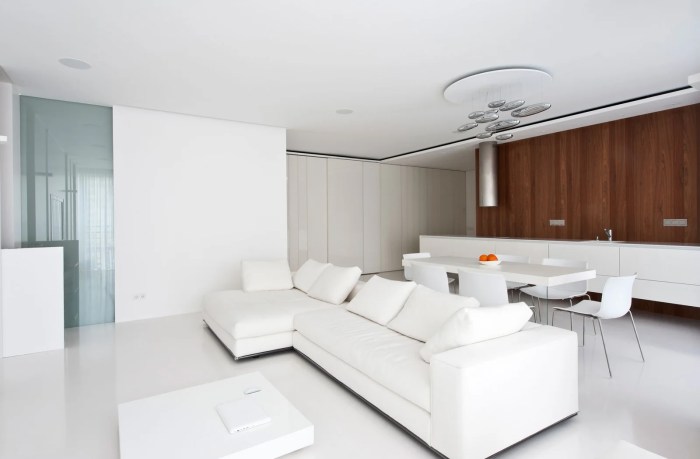
White interior design offers numerous advantages that can transform a space into a bright, airy, and serene environment. The use of white color in interior design can have a significant impact on the overall look and feel of a room.
Creates a Sense of Space
- White interiors have the ability to make a room appear larger than it actually is. The light-reflective properties of white help bounce natural light around the space, creating an open and expansive feel.
- By using white walls, furniture, and decor, you can visually extend the boundaries of a room, making it feel more spacious and welcoming.
Enhances Brightness
- White interiors are known for their ability to brighten up a space by reflecting light and creating a luminous atmosphere.
- White walls and surfaces can amplify natural light sources, reducing the need for artificial lighting during the day and creating a fresh and inviting ambiance.
Promotes Calmness and Cleanliness
- White interiors evoke a sense of tranquility and relaxation, providing a peaceful retreat from the hustle and bustle of daily life.
- White color schemes are often associated with cleanliness and purity, making a space feel fresh, pristine, and organized.
White Interior Design Elements
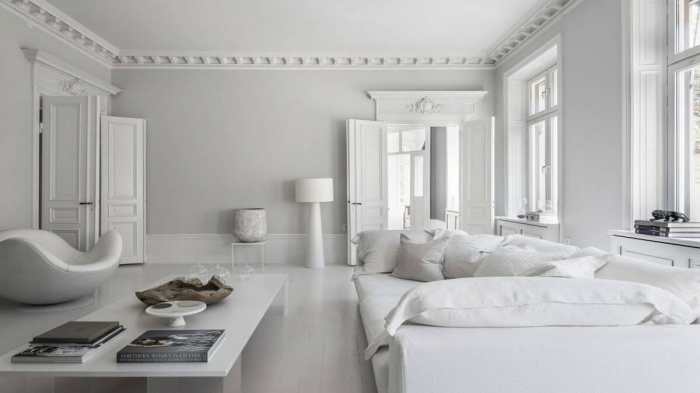
White interior design elements are essential in creating a clean, timeless, and sophisticated aesthetic. From furniture to decor to lighting fixtures, each element plays a crucial role in achieving the desired look and feel of a white interior space.
Furniture
- White furniture pieces, such as sofas, chairs, and tables, can serve as focal points in a white interior, adding a sense of elegance and luxury.
- Wooden furniture with a white finish can bring warmth and texture to the space, balancing the starkness of an all-white room.
- Acrylic or glass furniture can create a sense of airiness and lightness, perfect for small white interiors to maintain a spacious feel.
Decor
- Textured throw pillows, rugs, and curtains can add depth and visual interest to a white interior, preventing it from looking too sterile.
- Mirrors and metallic accents can reflect light and create a sense of brightness, enhancing the overall ambience of the space.
- Plants and greenery can introduce a pop of color and life into a white interior, bringing a natural element to the design.
Lighting Fixtures
- Pendant lights, chandeliers, and wall sconces can serve as statement pieces in a white interior, adding a touch of glamour and sophistication.
- Recessed lighting and spotlights can highlight architectural features or artwork in a white space, creating visual interest and depth.
- Natural light is key in white interiors, as it can enhance the brightness and freshness of the space, making it feel inviting and airy.
Creating Contrast in White Interiors
When working with a predominantly white interior, incorporating contrast is essential to add visual interest and prevent the space from feeling flat or sterile. By strategically introducing elements that contrast with the white backdrop, you can create a dynamic and captivating design scheme.
Adding Pops of Color
One effective way to introduce contrast in a white interior is by adding pops of color. This can be achieved through accessories such as throw pillows, rugs, artwork, or accent furniture pieces. Opt for bold and vibrant hues that stand out against the white background, creating a striking visual impact.
Balance with Darker Accents
Another approach to creating contrast is by incorporating darker accents into the white space. This could involve using dark wood furniture, black metal fixtures, or richly colored textiles. The juxtaposition of light and dark elements adds depth and dimension to the room, enhancing its overall aesthetic appeal.
Ultimate Conclusion
As we conclude our exploration of white interior design, it's clear that the versatility and beauty of white interiors know no bounds. From creating an illusion of space to promoting a sense of peace, white design elements offer a myriad of possibilities for transforming any room.
Whether you're looking to refresh your home or embark on a new design project, white interior design is sure to inspire and captivate.
FAQs
How does white interior design impact space perception?
White interiors can make a space appear larger and brighter by reflecting light and creating an airy atmosphere.
What are some common elements used in white interior design?
Common elements include white furniture, minimalist decor, and light-colored textiles that enhance the overall aesthetic.
How can contrast be incorporated into white interiors?
Contrast can be achieved by adding pops of color, incorporating different textures, or introducing darker accents to create visual interest.